
You Have an AI-Generated Headshot. We Can All Tell.
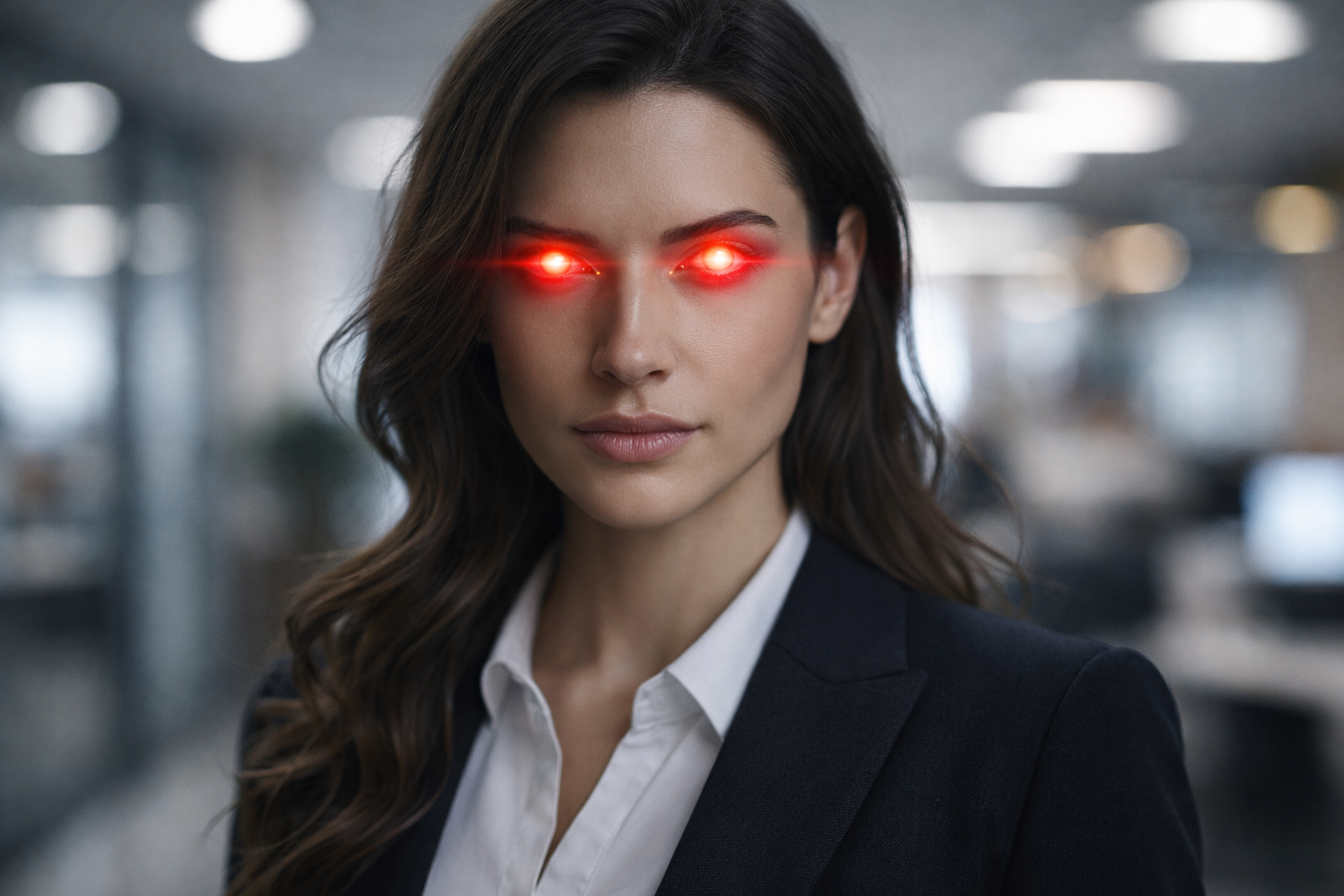
I saw three AI headshots in my LinkedIn feed this morning before my coffee was done. Dear me, what is this world come to???
Let me start by saying this: I love AI. I use it daily. I recommend it to everyone. AI is genuinely transforming how we work, create, and communicate — and I am here for all of it.
But there is one corner of the AI hype cycle that has quietly gone off the rails, and it's time someone said it plainly: AI-generated headshots are a bad idea, and you probably shouldn't use one.
The uncanny valley has a LinkedIn profile now
You know it when you see it. The lighting is perfect — almost too perfect. The skin is flawless in a way that real skin simply isn't. The eyes have that particular glassy quality, like someone is looking at you through a layer of polished glass. The background is tastefully blurred into nothing. And the smile... technically correct, yet somehow missing the thing that makes a smile a smile.
That's the AI headshot. And people can tell. Maybe not always consciously — but something registers as off, and first impressions are made in milliseconds.
Your headshot isn't just a photo. It's a handshake. And right now, AI is handing people a perfectly rendered mannequin hand.
What AI gets wrong (that a camera gets right)
What AI headshots give you:
- Technically perfect, emotionally flat
- Symmetrical beyond human possibility
- A generic "professional" expression
- Skin texture smoothed to nothing
- Eyes that lack the tiny imperfections of life
- A photo that may not look like you at all
What a real headshot gives you:
- The laugh line that says you actually laugh
- Genuine warmth — readable, not rendered
- Your specific energy, your personality
- Trust built before you say a word
- A photo that holds up when people meet you in person
- A photo that actually looks like you
The trust problem nobody's talking about
Here's the deeper issue. When someone books a meeting with you, accepts a coffee chat, or hires you for a role — they are, in some small way, making a decision based on who they think you are. Your headshot is part of that signal.
If your photo looks like it was generated by a model that was told to make you look "trustworthy and approachable" — well, that's exactly what it looks like. And when the person meets you in real life and realizes the photo bears only a passing resemblance to the actual human being in front of them? You've already lost something.
Authenticity has ROI. Imperfection builds trust. The tiny asymmetry in your smile, the way your eyes crinkle slightly when you're genuinely happy — those are features, not bugs.
The "but it's expensive" argument
I hear you. Professional photography isn't free. But the cost has come down significantly, and a good headshot session today runs far less than most people assume — often $100–$250 with a professional photographer. That's a one-time investment that will be the first thing people see on your LinkedIn, your website, your speaking bios, and your email signature.
Or, honestly? A well-lit photo taken by a friend with a modern smartphone, in good natural light, with a simple background, will beat an AI-generated image every single time. Every time.
Use AI for what AI is genuinely great at
Help me draft a cover letter? Yes. Summarize a 40-page report? Absolutely. Write ten subject line options for this email? Please. Brainstorm names for my startup at 11pm? You're the only one I can call.
But look at me? Actually look at me, understand what makes me me, and recreate the lived, specific, unrepeatable expression on my face in a given moment?
Not yet. Maybe not ever. And that's okay.
The world has enough polished surfaces. Your headshot is one of the few places left where a little humanity is not just acceptable — it's the whole point. Keep it real. Literally.